

On April 18-19, the first centralized training session of CIMC SOE's High-Potential Talent Leadership Development Program (Phase I) was successfully held. Centered on the themes of "Strategic Navigation" and "Compliance for Long-Term Success," the training focused on strategic thinking cultivation, integrity and compliance as the bottom line, and practical project implementation. Meanwhile, the class committee for the first cohort was established, marking the beginning of a systematic approach to developing high-potential talents within the company.
Rigorous Selection, Systematic Talent Development Layout
At the start of the training, Deputy General Manager Su Fei provided a comprehensive overview of the training objectives, program design, participant selection criteria, and curriculum structure. He clarified that the core goals are to enhance management capabilities, build collaboration platforms, and develop a pipeline of reserve talents.
Participants were strictly selected based on criteria of integrity and competence, outstanding performance, and high potential. The selection process involved departmental recommendations, professional MAP assessments, company review, and final approval by the General Manager. A total of 33 key members were selected for the first cohort. The program is divided into two phases: Phase I launched in April 2026, and Phase II is expected to launch in March 2027. Participants are allocated across the two phases based on principles of full departmental coverage, pairing of junior and mid-level managers, and production-support balance. The program features senior leadership accompaniment and a project-based learning approach, systematically empowering participants across four dimensions: strategic capability, leadership, lean production, and benchmarking exchange.
The first cohort is fully accompanied by four senior leaders: General Manager Gao Wenbao, Deputy General Manager Su Fei, Deputy General Manager Jiang Weifeng, and Assistant General Manager Wei Guangsheng, who also serve as mentors. The mentors' responsibilities include sharing practical experience and key points for strategy implementation, guiding participants on their projects and coordinating resources, as well as participating in interactive Q&A sessions and evaluating learning outcomes.
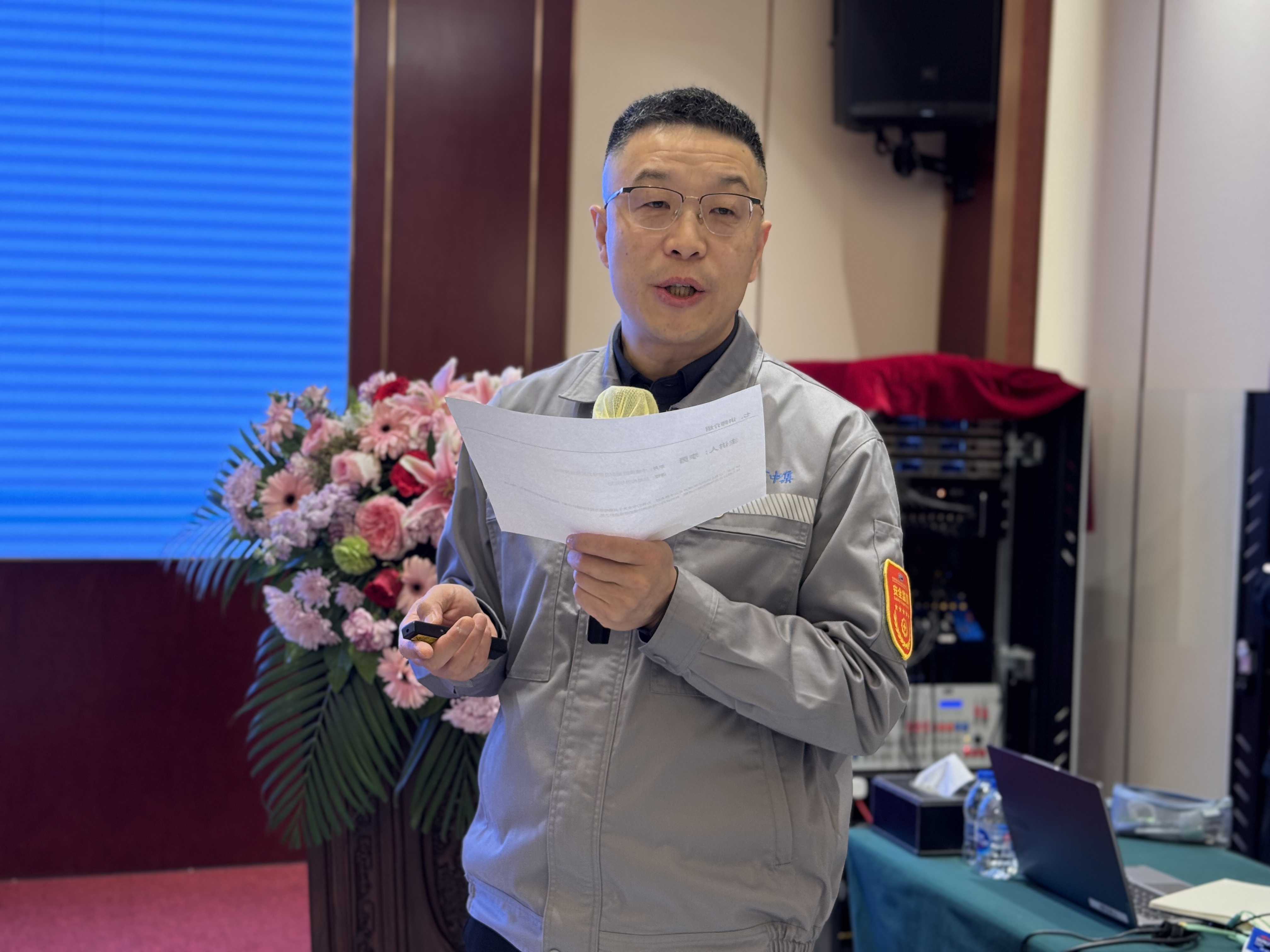
Figure 1: Deputy General Manager Su Fei delivering the program introduction
Core Courses Empower, Building a Solid Capability Foundation
This training session offered two core courses to precisely support participant development. Li Yong, Chief Consultant for Organization and Leadership Development at CIMC, delivered a specialized training on "Strategic Thinking and Planning." He systematically broke down key topics such as common strategic misconceptions, characteristics of bad strategies, core elements of good strategies, strategic formulation methods, and strategic control. The course guided participants to break free from mental traps and develop scientific strategic thinking.
The training emphasized methods for strategy formulation and strategic control, proposing three pathways to create good strategies: leveraging the principle of leverage, setting proximate goals, and adopting a systemic dynamics perspective. Participants learned to identify strategic focal points, concentrate resources to create multiplier effects, break down ambitious visions into actionable proximate goals, and view organizational weaknesses from a systemic perspective while dynamically responding to external changes to achieve closed-loop strategic control. The Cynefin framework was also introduced to help distinguish between simple, complicated, complex, and chaotic scenarios, guiding scientific decision-making in uncertain environments. Additionally, using strategy maps and balanced scorecards, participants learned to build functional strategies across four dimensions: finance, customer, internal operations, and learning & growth — clarifying the implementation path and control mechanisms to transform strategic concepts into actionable, monitorable, and assessable practical plans.
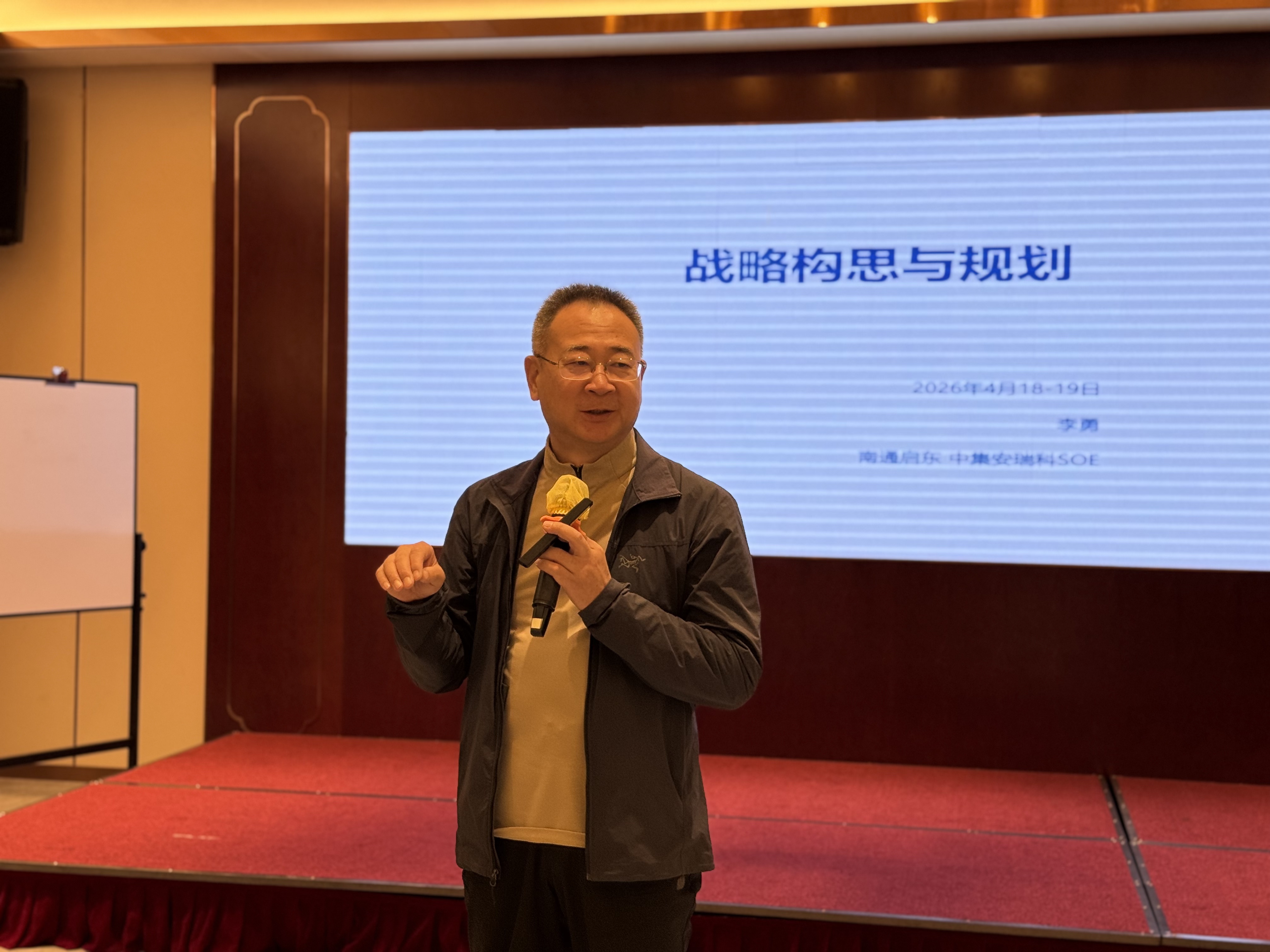
Figure 2: Li Yong, Chief Consultant for Organization and Leadership Development at CIMC
Liu Ying, Risk Control Director of the Legal and Compliance Department at the Holding Company, conducted a specialized training on "Integrity and Compliance." She interpreted anti-corruption policies and group regulations, focusing on eight key powers and associated "invisible power" risks. Using industry-specific case studies, she highlighted the costs of corruption, strengthened participants' awareness of the bottom line, and helped build a defense line where individuals dare not, cannot, and do not want to engage in corruption.
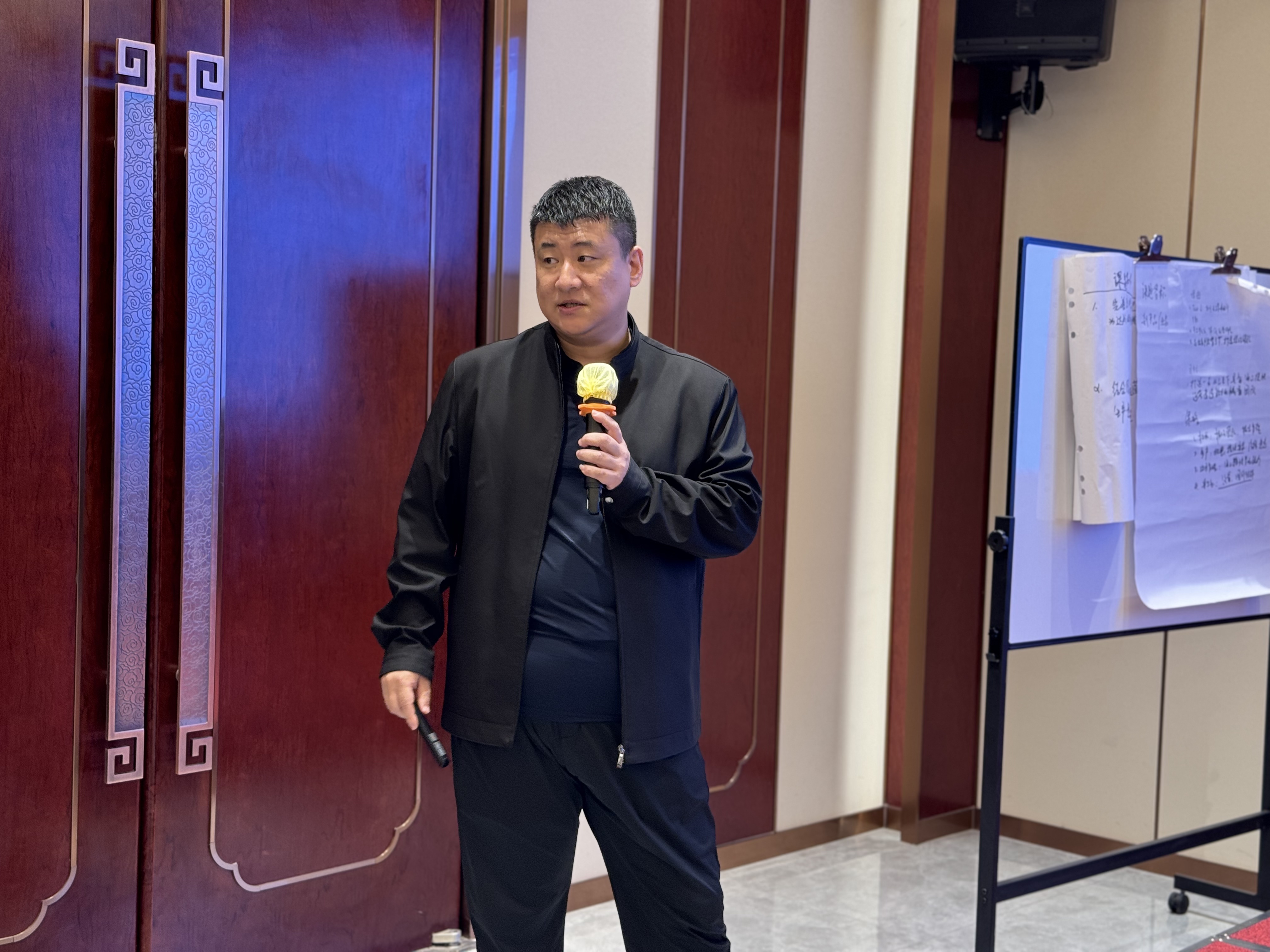
Figure 3: Liu Ying, Risk Control Director of the Holding Company's Legal and Compliance Department
Class Committee Election and Group Discussions, Building Cohesion to Drive Application
During the training, an open election for class president of the first cohort was organized. Through self-nomination and democratic voting, a class president with strong sense of responsibility and leadership was elected. The class president is responsible for daily class management, organizing learning activities, monitoring training discipline, and facilitating communication among participants — providing solid support for the efficient and orderly progression of subsequent training activities.
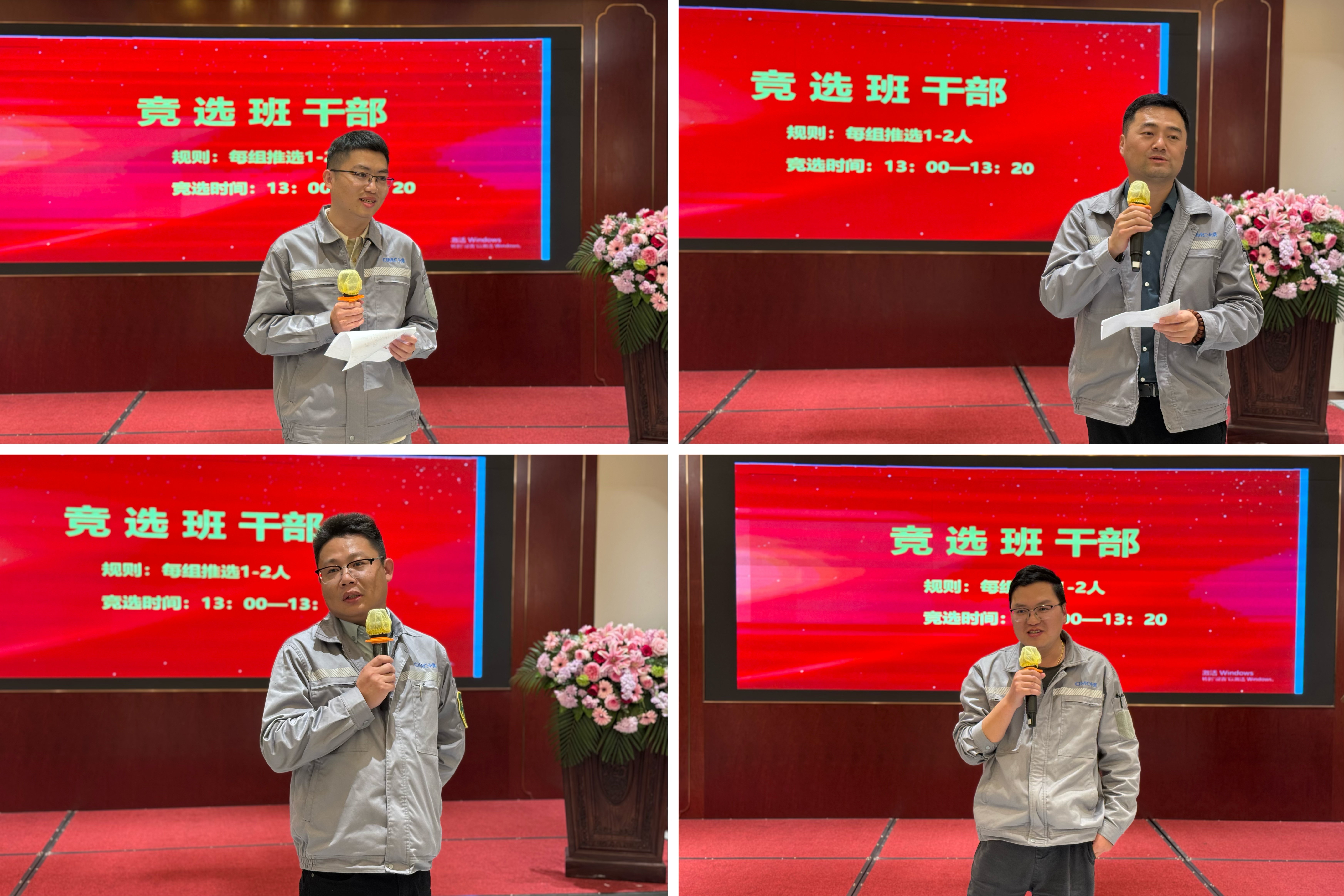
Figure 4: Class president candidates (from left to right: Yuan Min, Shao Hongzhao, Han Jiajin, Huang Jian)
All participants were required to align their thinking with the company's "ten-billion" strategic goal. Applying what they learned from the strategic thinking and planning course, and based on their own job responsibilities, they engaged in in-depth project thinking and group discussions. Each participant distilled 2-3 practical projects focusing on the next 2-3 years. After the discussions, group representatives took turns presenting the projects selected by their teams, sharing detailed ideas and implementation plans around core directions such as strategic alignment, problem solving, capability enhancement, and efficiency improvement.
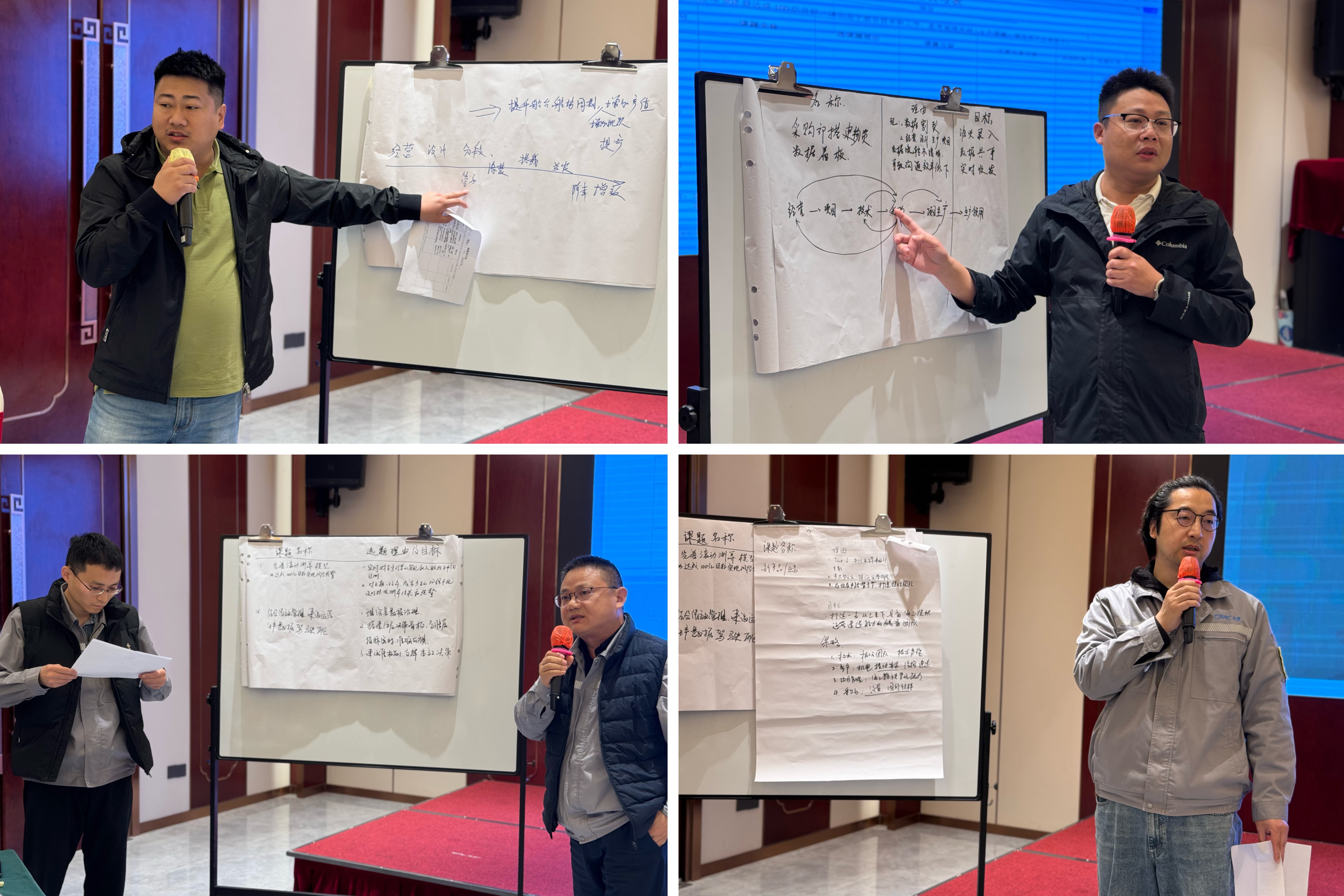
Figure 5: Group representatives presenting projects (from left to right: Yan Kai, Han Jiajin, Hou Xiaoming, Chen Yinhua, Wu Huifeng)
Senior leadership mentors Mr. Jiang, Mr. Wei, and instructor Li Yong provided on-site feedback and guidance on each group's projects, offering precise suggestions for optimization to ensure the projects are both actionable and measurable. Mr. Su Fei explicitly required that after the training, all participants must further refine their projects and deepen their thinking based on the instructors' feedback. At the next centralized training session, each participant will present their individual project, accompanied by peer group evaluations and scoring, to drive the project discussions to deeper levels and achieve tangible results — forming a closed loop for project implementation.
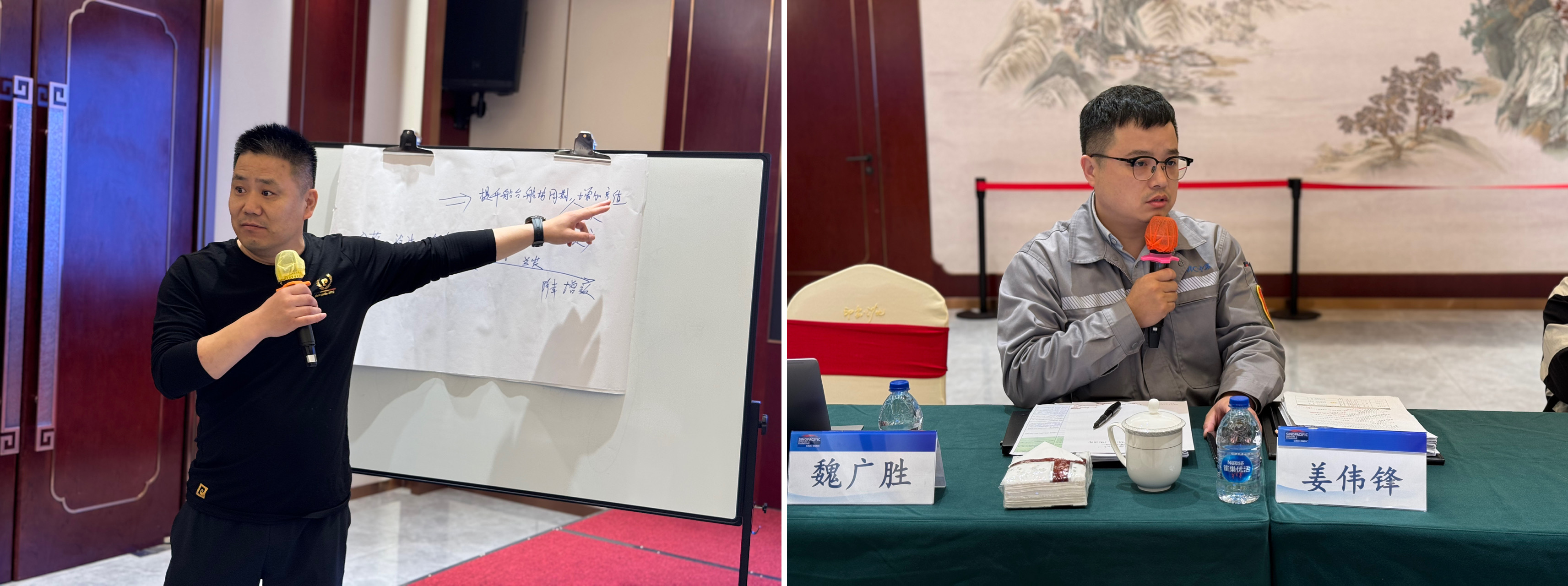
Figure 6: Senior leadership mentors providing feedback on projects (from left to right: Wei Guangsheng, Jiang Weifeng)
General Manager's Summary, Clarifying Strategic Requirements
Mr. Gao Wenbao delivered concluding remarks, systematically sharing CIMC SOE's strategic journey from bankruptcy reorganization to becoming a segment champion, and then to diversified expansion. He outlined the company's direction towards becoming a comprehensive solution provider for clean energy equipment and special-purpose vessels.
Using classic examples — Nokia and Kodak declining due to strategic rigidity and short-sightedness, Huawei and Haidilao continuously leading through forward-looking layout, and Wang Wei of SF Express always thinking two steps ahead to achieve a turnaround — Mr. Gao profoundly illustrated that "those who do not plan for the future are being planned by the future." He emphasized that managers must rise above daily routines, abandon path dependency, refuse to be bound by existing advantages, and consistently anticipate risks during stable times while planning for the long term today. He urged everyone to actively think about industry changes and departmental development 2-3 years down the road.
Mr. Gao clearly articulated the core requirements of strategic thinking: "Strategic thinking requires seeing far, thinking ahead, and executing effectively." He provided a clear tiered guide for management: General Managers should see 5 years ahead, setting direction and making overall plans; Deputy General Managers should plan for the next 3 years, breaking down strategies and ensuring coordination; Department Heads and core members should focus on the next 2 years, driving execution and ensuring results.
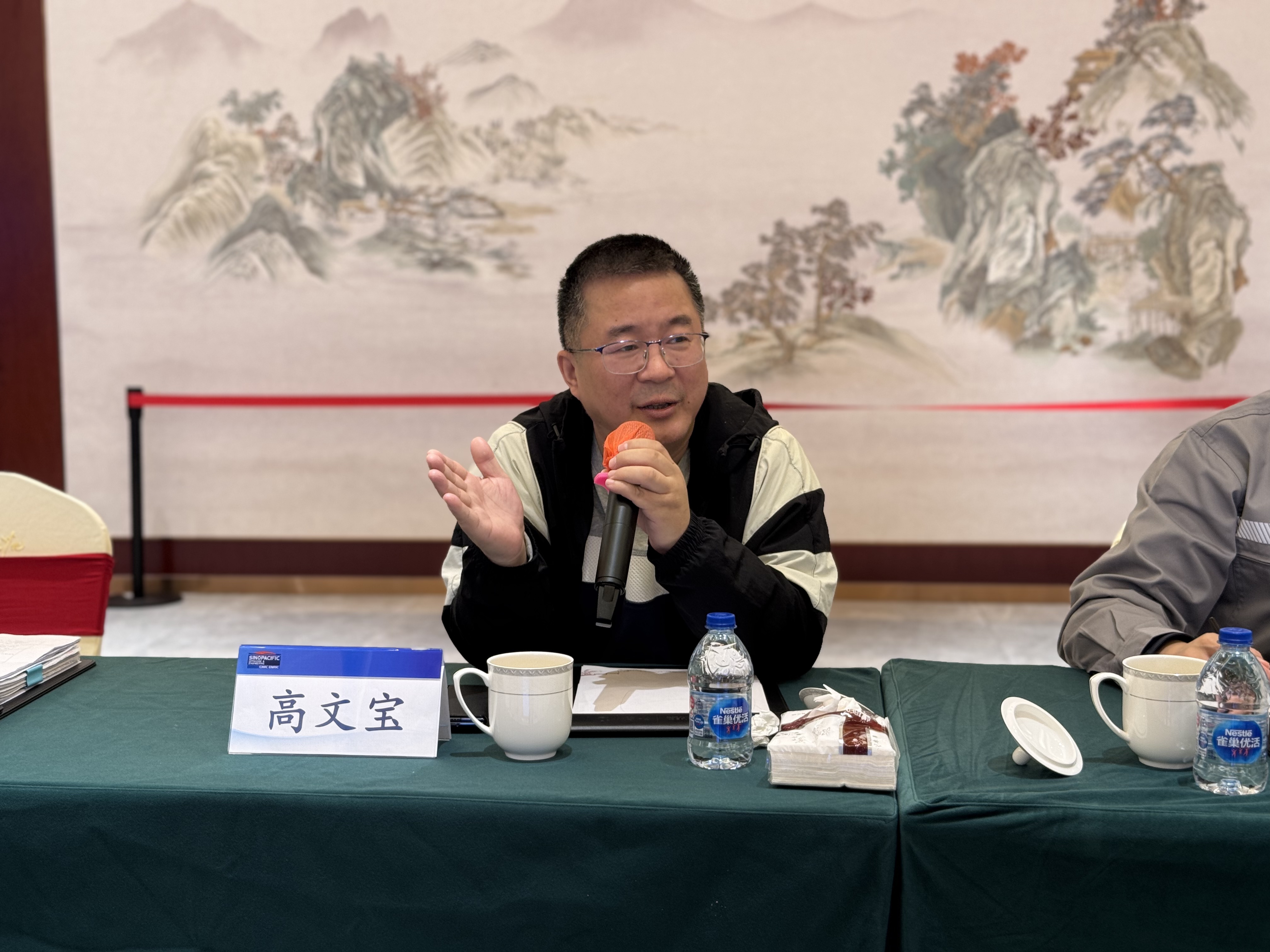
Figure 7: General Manager's concluding remarks
He encouraged all high-potential trainees to take this training as a new starting point: reduce "firefighting" emergency responses, focus more on "reservoir-building" forward planning; apply strategic thinking to their roles; turn project research into tangible outcomes. By combining a long-term perspective, a pragmatic work style, and a strong compliance bottom line, they should act with responsibility, align their hearts and efforts with the company's direction, and contribute their core strength to achieving the "ten-billion" strategic goal and high-quality development.
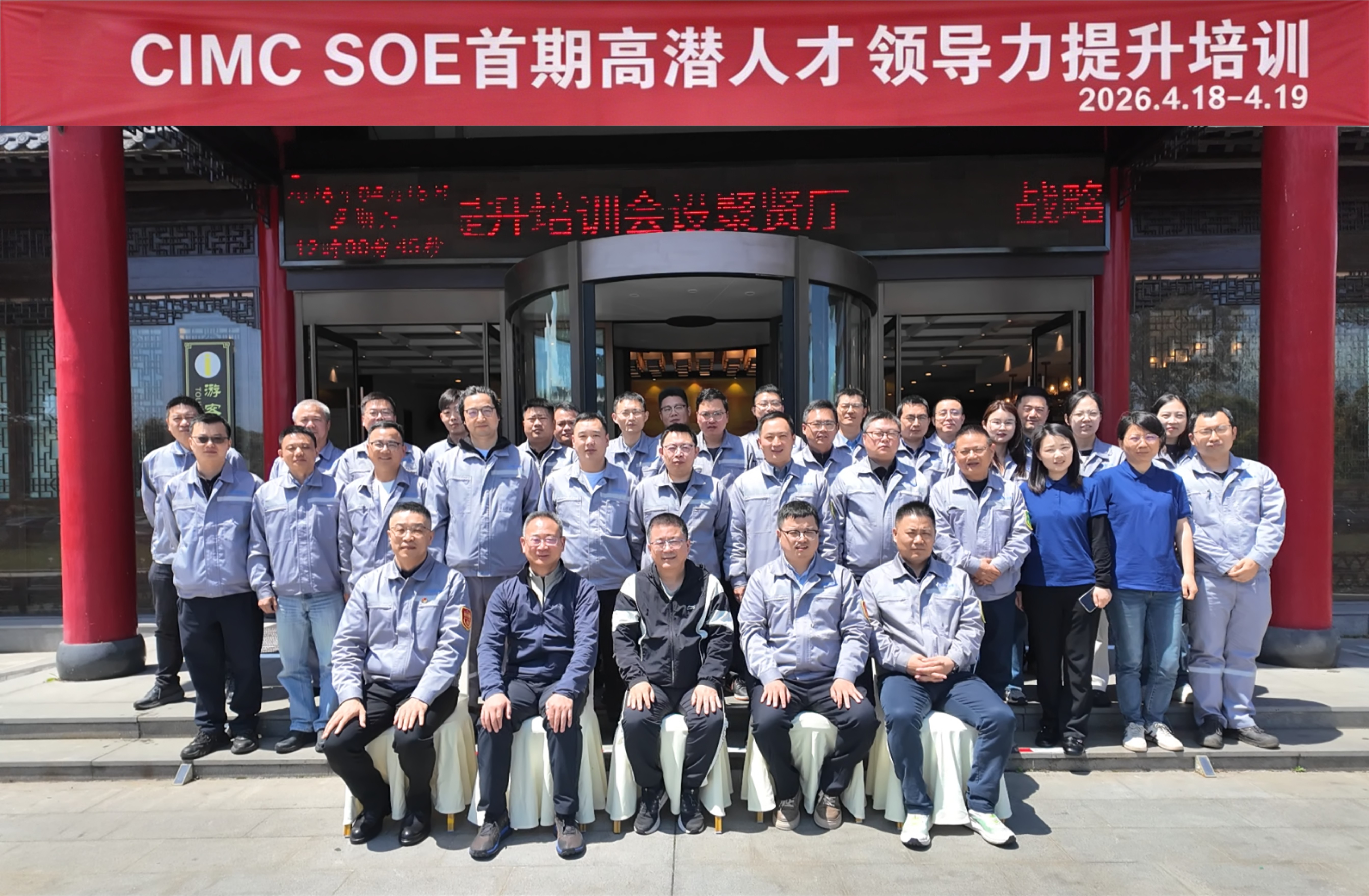
Figure 8: Group photo of training participants
This successful training session marks a new phase of systematic, practical-oriented development for high-potential talents at CIMC SOE. Guided by strategy, anchored by practical projects, and bound by compliance, the company will continue to build a high-quality management team that is responsible, capable, and law-abiding — providing solid talent support for the company's long-term development.